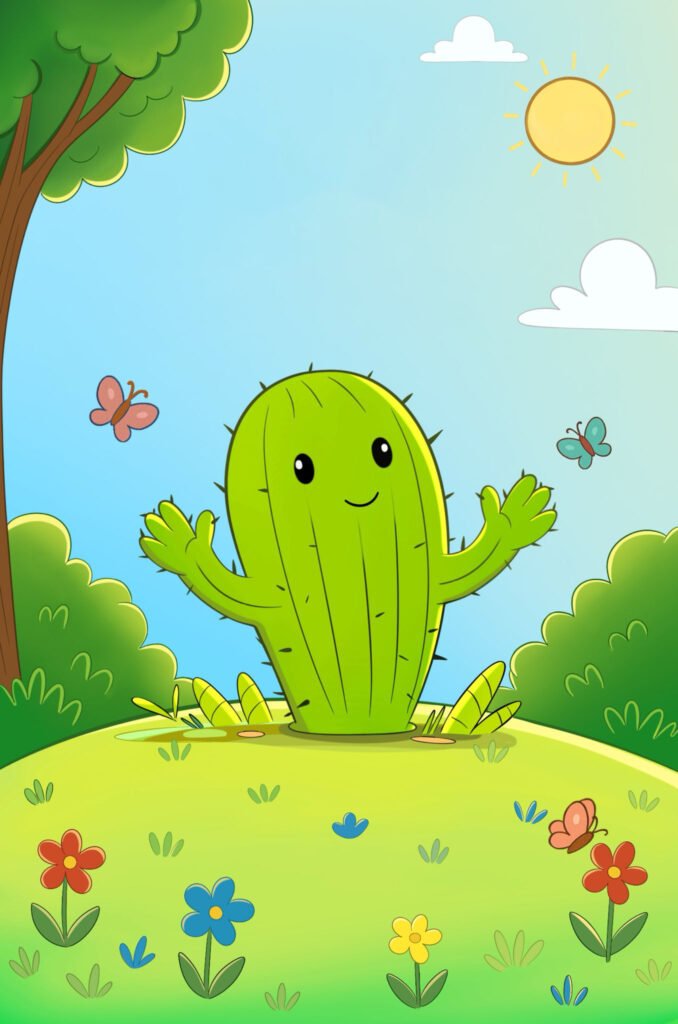
Cobie the Cactus is quiet, thoughtful, and deeply aware of the world around him. Sounds, movement, and busy moments can feel overwhelming, so he finds comfort in calm spaces and familiar routines. Cobie enjoys observing carefully, sorting objects, and playing in his own gentle way. Through his experiences, children see that it is okay to need space, take things slowly, and engage with the world differently, while still belonging fully within the garden and its friendships.
Tilly The Tulip
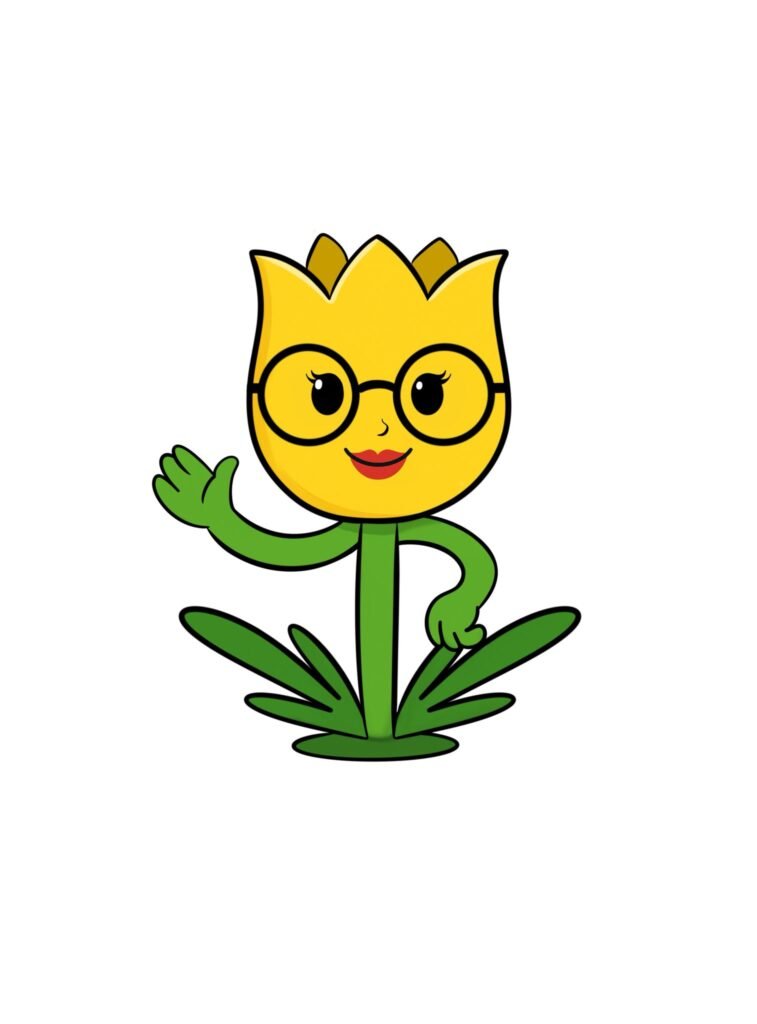
Tilly the Tulip is calm, observant, and quietly kind. She notices when Cobie needs space and understands that comfort does not always come from words. Instead of rushing or fixing, Tilly chooses presence, sitting nearby and offering gentle sounds and stillness. Her patience helps others slow down and see differently. Through Tilly, the story shows how empathy can be simple, respectful, and powerful, creating safety without asking anyone to change who they are in quiet, shared moments together.
Darcy The Daisy
Darcy the Daisy is bright, lively, and full of movement. She loves dancing in the sunshine and inviting others to join her joyful spins. Darcy speaks easily and means well, even when her energy feels like too much. As the story unfolds, she learns to pause, watch, and listen. Through Darcy, children see that enthusiasm can grow kinder when it makes room for quieter friends and different ways of being together within the shared garden space.
Livleen The Lotus
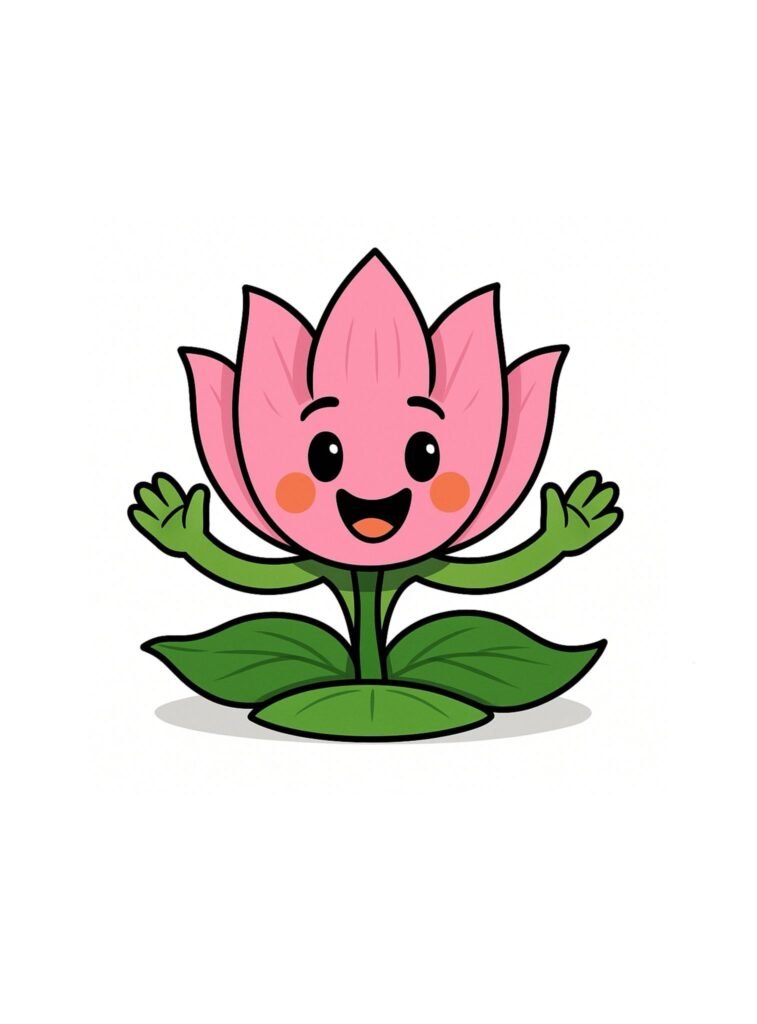
Livleen the Lotus speaks two languages — and both are part of who she is. In the garden, she is gentle and calm, often pausing to listen before she speaks. Sometimes she uses one language at home and another with friends, and she used to wonder if that made her “too different”.
But as Livleen grows, she realises something important: switching between languages isn’t a mistake — it’s a strength. She learns that every word she carries is a piece of her story, and that she doesn’t have to choose one side of herself to belong. When other children feel unsure, shy, or “in-between,” Livleen helps them feel safe by showing them there is room for all of who they are. Livleen’s message is simple and powerful: you can belong in more than one place, you can speak in more than one way, and you are still completely, perfectly you.
Harper The Hyacinth
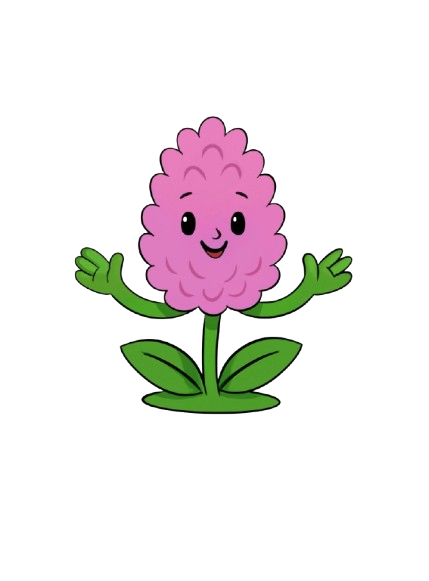
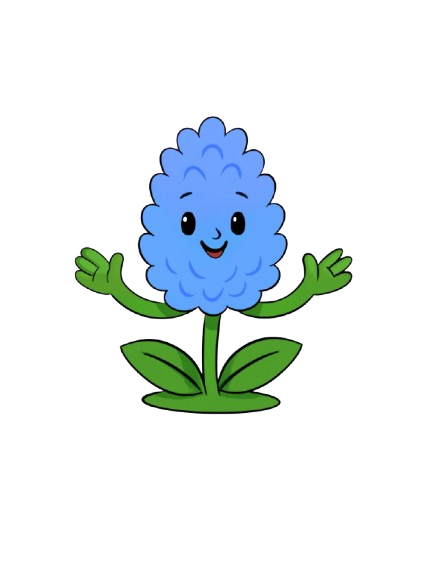
Harper blooms in every colour. In the garden, Harper is playful, bold, and full of ideas — sometimes changing how they look, move, or play depending on what feels right that day. Some days Harper loves to twirl and sparkle. Other days Harper wants to be calm, quiet, and simple. Harper isn’t “trying to be different” — Harper is simply being Harper.
At first, not everyone understands. A few garden friends expect Harper to always look or act the same, and Harper starts to wonder if they’re doing something wrong. But as the story unfolds, Harper learns that there isn’t only one “correct” way to bloom. Harper’s joy, creativity, and confidence grow when the garden makes space for self-expression — without questions, teasing, or pressure to fit into a box.
Harper’s message is gentle and empowering: you don’t need labels to be real, and you don’t need permission to be yourself. When the garden accepts Harper fully, everyone learns something important — that belonging feels like freedom.
The Remembering Tree
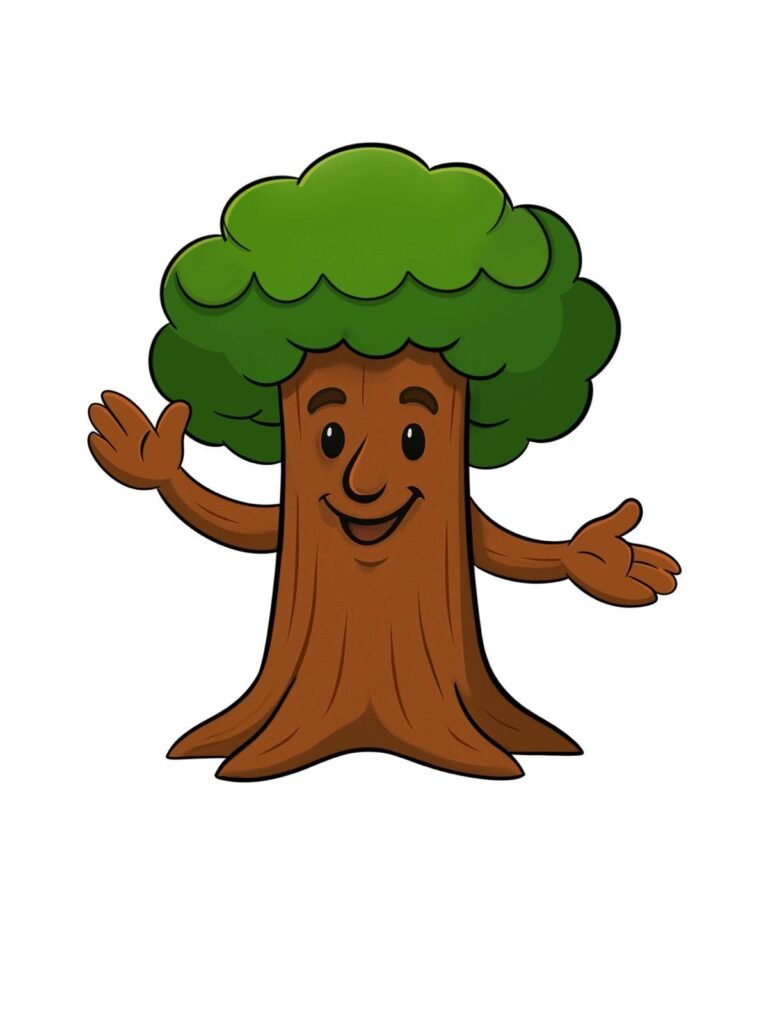
The Remembering Tree stands at the heart of the garden, steady and patient. He has seen many seasons and understands that growth takes time. When questions arise, he offers quiet guidance rather than answers. His shade provides rest, his roots suggest strength, and his presence brings perspective. Through the Remembering Tree, the story reminds children that wisdom listens first, waits calmly, and supports others without judgement, allowing each character to grow at their own pace within the shared garden.